Exploring the Role of Pneumatic Valve Machining in Modern Hydraulic Systems
Introduction to Pneumatic Valve Machining
Overview of Pneumatic Systems
Pneumatic systems rely on compressed gas to transmit power and control motion across industrial setups. These systems manage pressure levels precisely to operate machinery without the fluid leaks common in hydraulic alternatives. Engineers design pneumatic systems for rapid response and clean operation in environments where contamination poses risks. Factories integrate pneumatic actuators to drive linear or rotary motion in assembly lines and automated equipment. Gas compression creates the force needed for consistent performance, while valves regulate flow direction and volume. Proper management of pressure prevents system failures and extends equipment life. Pneumatic systems excel in applications demanding high speed and repeatability, such as packaging and material handling. Their simplicity supports easy maintenance compared to more complex hydraulic setups.
Importance of Machining in Valve Manufacturing
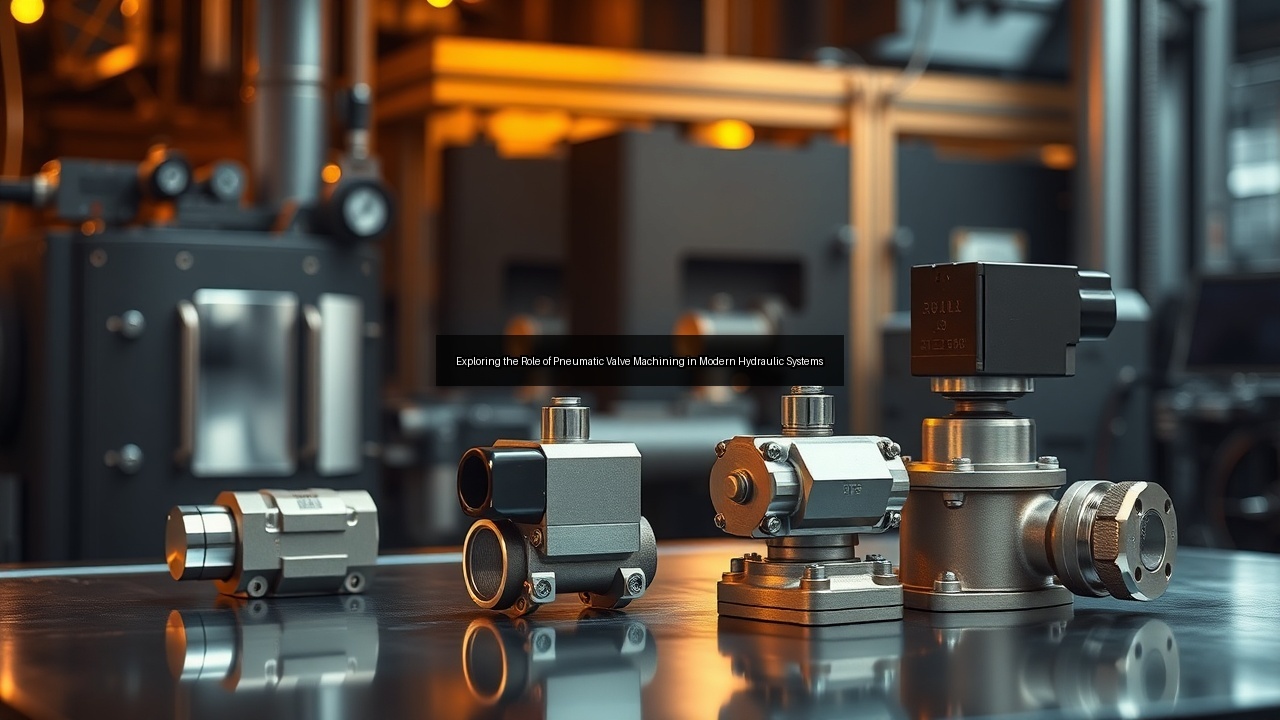
Machining plays a central role in valve manufacturing because it delivers the tight tolerances required for reliable sealing and flow control. Pneumatic valve machining shapes raw materials into functional components that withstand repeated pressure cycles. Precise cuts ensure internal passages align correctly to minimize turbulence and energy loss. Manufacturers depend on advanced machining of pneumatic valve parts to produce consistent results across production runs. Without accurate machining, valves leak or fail under load, disrupting entire pneumatic systems. Hogge Precision Parts demonstrates how specialized machining elevates valve quality in demanding sectors. This process directly influences the durability and efficiency of every pneumatic control valve installed in modern facilities.
The Manufacturing Process of Pneumatic Valves
Materials Used in Valve Production
Valve production starts with selecting materials that resist corrosion and handle high pressure. Stainless steel and brass dominate because they maintain structural integrity under continuous gas exposure. Aluminum alloys reduce weight in mobile pneumatic applications while preserving strength. Manufacturers choose polymers for seals and seats to create leak-free interfaces inside control valves. Each material undergoes testing to confirm compatibility with specific operating conditions. Pneumatic valve manufacturing and machining requires alloys that machine cleanly without work hardening. Engineers balance cost against performance when specifying materials for hydraulic valve hybrids. Proper material selection prevents premature wear and supports long service intervals in harsh factory environments.
Machining Techniques for Precision Parts
Modern machining techniques transform raw stock into finished pneumatic valves through multi-axis milling and turning centers. CNC equipment executes complex contours on valve bodies with micron-level accuracy. Drilling and boring operations create smooth internal bores that reduce friction on moving spools. Grinding finishes critical sealing surfaces to eliminate microscopic leaks. Machining pneumatic valves often combines turning with electrical discharge machining for intricate flow paths. These methods ensure every component meets exact specifications for pressure retention and response time. Pneumatic valve manufacturing and machining teams program tool paths to optimize cycle times without sacrificing quality. The result is a portfolio of valves ready for integration into high-performance pneumatic systems.
Quality Control in Valve Manufacturing
Quality control verifies that every machined valve performs within design parameters before shipment. Pressure testing simulates real-world conditions to detect internal leaks or structural weaknesses. Dimensional inspections using coordinate measuring machines confirm tolerances on critical features. Surface finish measurements ensure sealing areas meet roughness requirements. Pneumatic valve manufacturer facilities implement statistical process control to track variation across batches. Non-destructive testing methods reveal subsurface defects that could compromise safety. Documentation tracks each valve from raw material through final assembly. Rigorous quality gates protect downstream hydraulic systems from contamination or failure caused by substandard components.
Applications of Pneumatic Valves in Hydraulic Systems
Role of Pneumatic Control Valves
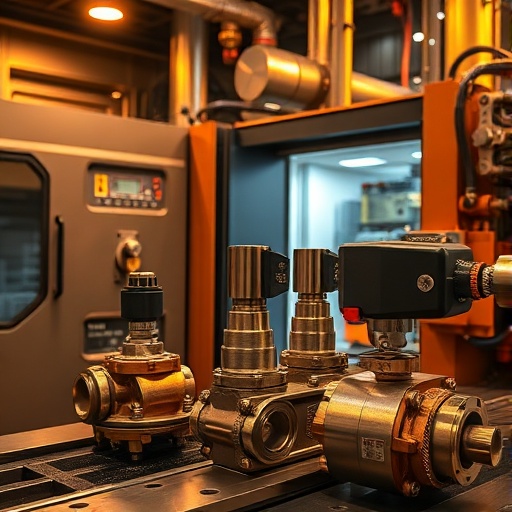
Pneumatic control valves direct compressed gas to actuators and regulate pressure within defined limits. These valves switch flow paths instantly in response to electrical or mechanical signals. Directional control valves manage cylinder extension and retraction in automated cells. Pressure relief valves protect circuits from over-pressurization during sudden load changes. Flow control valves fine-tune actuator speed for smooth operation. Pneumatic control valves also serve as pilot devices that trigger larger hydraulic functions. Their fast actuation complements slower hydraulic responses in hybrid machinery. Proper sizing and placement of these valves optimize overall system efficiency and safety.
Integration with Hydraulic Systems
Integration of pneumatic valves into hydraulic systems creates hybrid platforms that leverage the strengths of both technologies. Pneumatic actuators provide rapid positioning while hydraulic cylinders deliver high force. Control valves coordinate the transition between air and fluid power sources. Engineers design manifolds that combine pneumatic and hydraulic ports to reduce plumbing complexity. Pressure sensors feed data to management systems that adjust valve timing for peak performance. This integration appears in presses, lifts, and material handlers where speed and power must coexist. Pneumatic valve machining ensures the precision needed for seamless interface between the two media.
Case Studies of Pneumatic Valve Applications
One automotive assembly plant replaced aging hydraulic controls with machined pneumatic valves and reduced cycle time by 18 percent. The new pneumatic actuators responded faster during welding operations while eliminating fluid leaks on the factory floor. Another packaging facility installed custom pneumatic control valves in its conveyor system to improve synchronization. Precise machining of pneumatic valve parts allowed consistent pressure delivery across multiple stations. In a steel mill, pneumatic valves piloted heavy hydraulic clamps during rolling operations. The hybrid setup improved safety by isolating high-pressure fluid zones. These examples illustrate how targeted pneumatic valve manufacturing and machining supports reliable performance in demanding hydraulic environments.
Challenges and Innovations in Pneumatic Valve Machining
Common Manufacturing Challenges
Manufacturers face challenges maintaining tight tolerances on small internal features during high-volume production. Tool wear during machining of pneumatic valve parts can shift dimensions and create scrap. Heat generated by aggressive cutting distorts thin-walled valve bodies. Supply chain variability in raw material hardness affects machining consistency. Pressure testing failures often trace back to minor surface imperfections introduced during earlier operations. Skilled labor shortages slow the adoption of advanced multi-axis equipment. These issues increase costs and delay delivery of finished pneumatic valves to end users.
Technological Innovations in Valve Machining
Recent innovations include five-axis machining centers that complete complex valve geometries in single setups. Additive manufacturing produces near-net-shape blanks that reduce material removal during final machining. In-process probing detects deviations and automatically corrects tool offsets. Advanced coatings on cutting tools extend life when machining stainless steel pneumatic valves. Simulation software predicts pressure drop through new valve designs before any metal is cut. These advances allow pneumatic valve manufacturers to deliver higher precision at lower cost while shortening lead times.
Future Trends in Pneumatic Valve Engineering
Future trends point toward smart valves with embedded sensors that report pressure and cycle counts in real time. Digital twins of pneumatic systems enable predictive maintenance before failures occur. Lightweight composite materials will appear more frequently in valve bodies once machining processes adapt. Increased electrification of pneumatic actuators will blur lines between traditional pneumatic and hydraulic domains. Sustainability initiatives drive development of valves that minimize compressed gas consumption. Engineering teams continue refining pneumatic valve machining methods to support these evolving requirements.
Choosing the Right Pneumatic Valve Manufacturer
Criteria for Selecting Manufacturers
Selection criteria begin with proven capability in pneumatic valve machining and documented quality certifications. Buyers examine production capacity and lead times to match project schedules. Technical support availability matters when integrating new valves into existing hydraulic systems. Traceability of materials and processes provides confidence in long-term reliability. Cost must be weighed against total ownership expenses including maintenance and downtime. Manufacturers offering design assistance help optimize valve specifications for specific pressure and flow demands.
Key Players in the Industry
Key players include established firms with extensive experience machining pneumatic valves for global markets. Hogge Precision Parts stands out for its focus on high-accuracy components used in hybrid hydraulic-pneumatic equipment. Several European and Asian manufacturers compete by offering rapid prototyping alongside volume production. Domestic suppliers often emphasize shorter lead times and easier communication for North American customers. Each player differentiates through specialized expertise in particular valve types or industry segments.
Evaluating Quality and Performance Standards
Evaluating quality requires review of test data from pressure cycling and flow characterization. Performance standards such as ISO 5598 guide consistent measurement of valve characteristics. Third-party audits verify that manufacturing processes meet stated tolerances. Customer references provide real-world feedback on valve longevity in similar applications. Buyers should request samples for independent verification of machining quality before committing to large orders. Strong performance documentation separates reliable pneumatic valve manufacturers from competitors.
See Also
- Unlocking Precision in Pneumatic Valve Machining for Enhanced Performance
- From Concept to Creation A Deep Dive into Pneumatic Valve Machining Processes
- Mastering Efficiency in Factory Operations through Pneumatic Valve Manufacturing
- The Future of Manufacturing with Advanced Pneumatic Valve Machining Techniques